Comparing Concrete vs. Asphalt: What’s Best for Your Barossa Property?


Introduction
When deciding on the best material for your Barossa property's driveways or pathways, comparing concrete and asphalt is crucial. Each material offers unique benefits and challenges, and making the right choice can impact your property's aesthetics, maintenance needs, and overall value.

Durability and Lifespan
Concrete is known for its long-lasting durability. With proper maintenance, a concrete surface can last over 30 years. Its resistance to heavy loads and frequent traffic makes it ideal for commercial properties or busy households.
Asphalt, on the other hand, typically lasts between 15 to 20 years. While slightly less durable than concrete, its flexibility allows it to withstand harsh weather conditions without cracking as easily. This makes asphalt a great choice for areas experiencing frequent temperature fluctuations.
Maintenance Requirements
Maintenance is a key consideration when choosing between concrete and asphalt. Concrete generally requires less frequent upkeep. However, it can be more challenging to repair if damage occurs, often needing professional intervention.
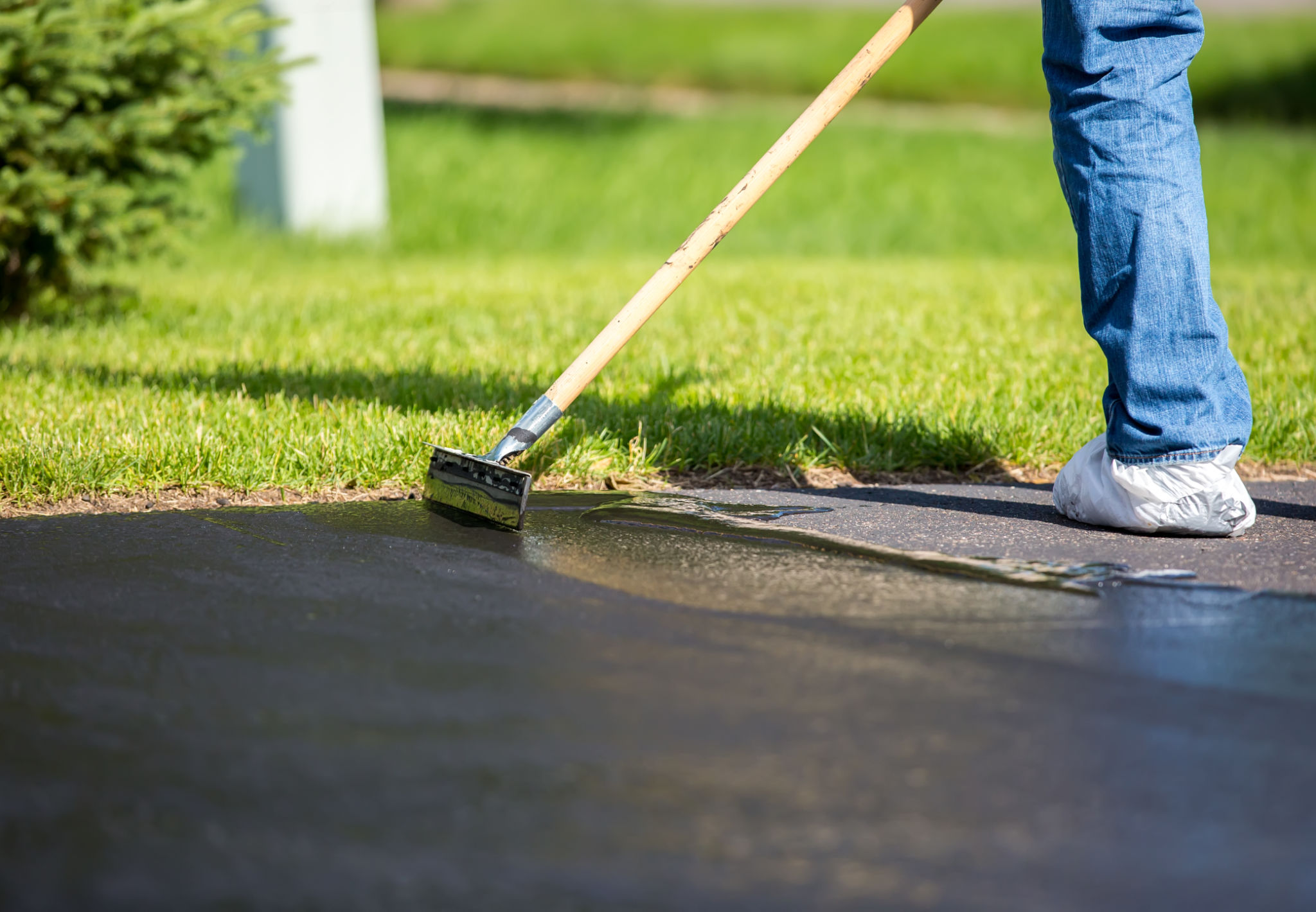
Asphalt surfaces require regular sealing every few years to maintain their appearance and function. Despite this, asphalt repairs are typically more straightforward and cost-effective than concrete repairs.
Cost Implications
Initial installation costs can vary significantly between concrete and asphalt. Concrete generally has a higher upfront cost due to its complex installation process and material expenses. However, its longevity can make it a cost-effective option in the long run.
Asphalt is generally less expensive to install, making it an attractive choice for budget-conscious property owners. It's important to factor in the recurring maintenance costs, which can add up over time.

Aesthetic Considerations
The aesthetic impact of your choice should not be underestimated. Concrete offers a range of finishes and colors, allowing for greater customization to complement your property's style. Stamped or colored concrete can add a unique touch to your outdoor spaces.
Asphalt's sleek, black finish provides a classic look that can enhance curb appeal. While it offers less variety in terms of color, its uniform appearance can be appealing for those seeking a minimalist look.
Environmental Impact
Both materials have distinct environmental considerations. Concrete production is energy-intensive, contributing to higher carbon emissions. However, its longevity can offset some of these impacts over time.
Asphalt is recyclable, and many modern asphalt pavements incorporate recycled materials, reducing their environmental footprint. Choosing a recycled asphalt mix can be a more sustainable option.

Conclusion
Ultimately, the choice between concrete and asphalt for your Barossa property depends on your priorities. Consider factors such as budget, maintenance willingness, aesthetic preferences, and environmental impact. By weighing these elements, you can make an informed decision that enhances your property's value and functionality.